
Somerset West and the surrounding Winelands aren't only about wine. Several of the historic estates nearby have gardens that are reason enough on their own to visit, and spring (roughly August through November) is when they're at their best. Here's where we'd send guests who want a gentler, more floral outing than a tasting list or a hike.
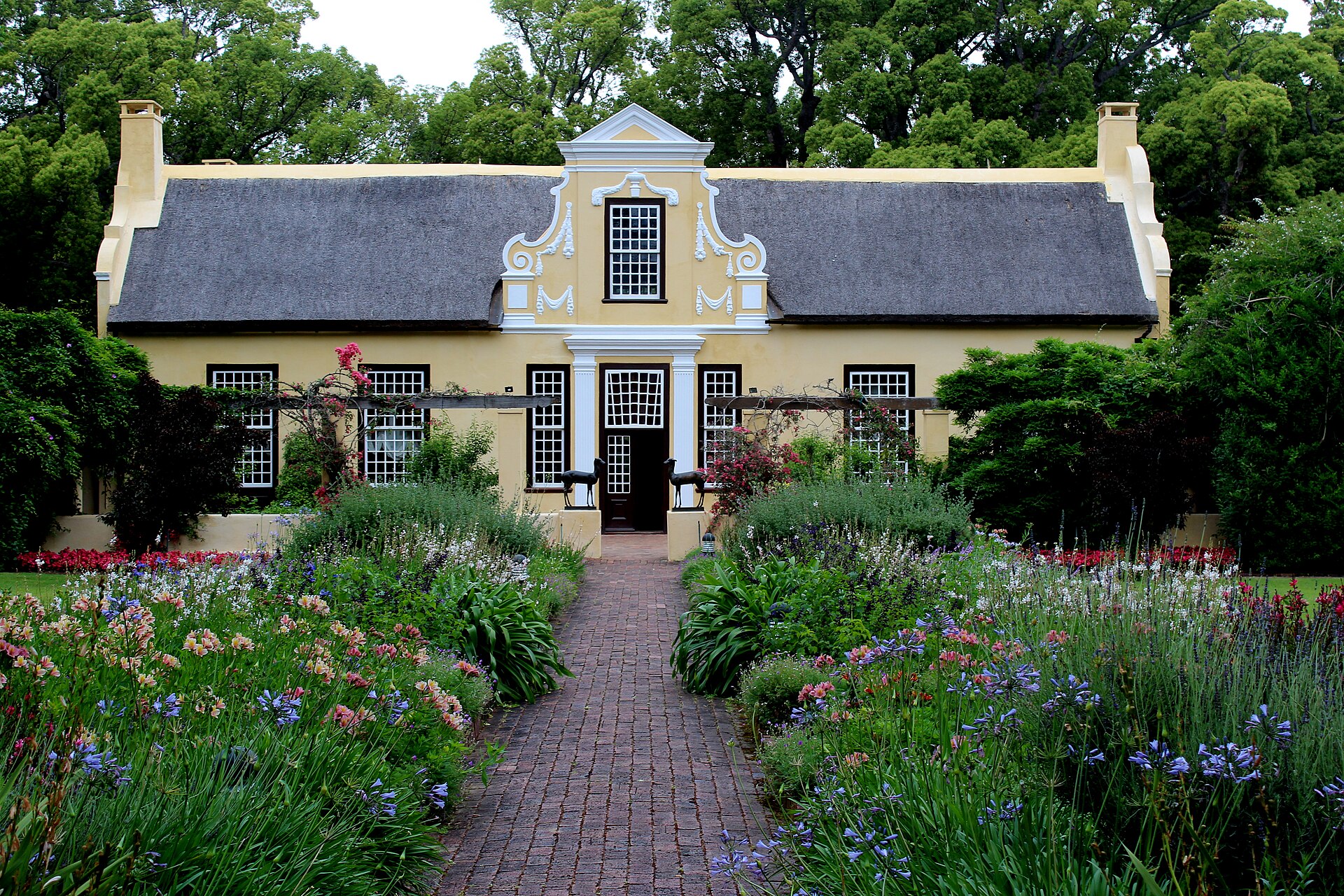
The gardens at Vergelegen. Photo: Martinvl, CC BY-SA 4.0, via Wikimedia Commons.
Why spring is the best time
After the Cape's wet winter, the estate gardens around us move into their most productive few months: roses, azaleas and herbaceous borders peak, and the oak and camphor avenues planted centuries ago are in fresh leaf. It's also, conveniently, shoulder season on most of these estates: cooler and quieter than the summer wine-tourism rush, but usually good weather for walking.
Vergelegen's camphors, oaks and rose garden
Vergelegen, just outside Somerset West, is the standout. The estate has more than 15 distinct garden areas, from a fynbos garden and a camellia garden to an oak arboretum, a yellowwood believed to be around 400 years old, and the famous camphor trees planted around 1700, which are protected as national monuments and are among the oldest cultivated trees in the country. The formal rose garden is laid out in an octagonal design around a central sculpture, and spring brings herbaceous borders into flower across the estate. Vergelegen has also hosted a spring Garden Weekend in recent years, with guided walks and plant sales, so it's worth checking their gardens and events pages if your stay lines up with it.
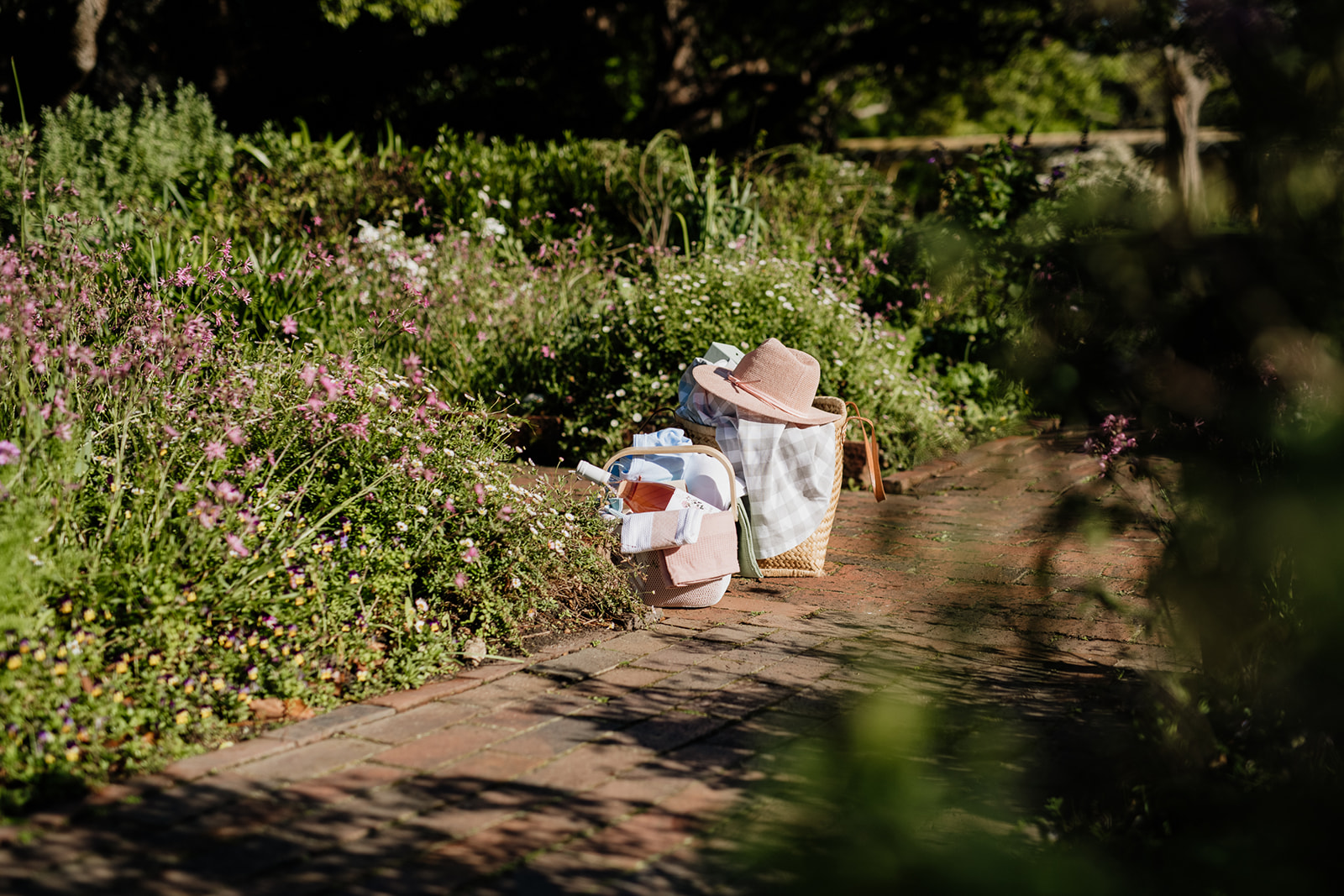
Spring at Vergelegen. Photo: Vergelegen Wine Estate.
Rustenberg's Schoongezicht garden
On the Stellenbosch side, Rustenberg's Schoongezicht garden is open year-round during tasting room hours and features a Chartres-style labyrinth and a converted lily pond, set against the estate's Cape Dutch architecture. The estate's private Rustenberg garden only opens to the public once a year for its Open Weekend, but Schoongezicht is a smaller, quieter alternative to Vergelegen if you'd rather not plan around a specific event, and pairs naturally with a stop at the tasting room.
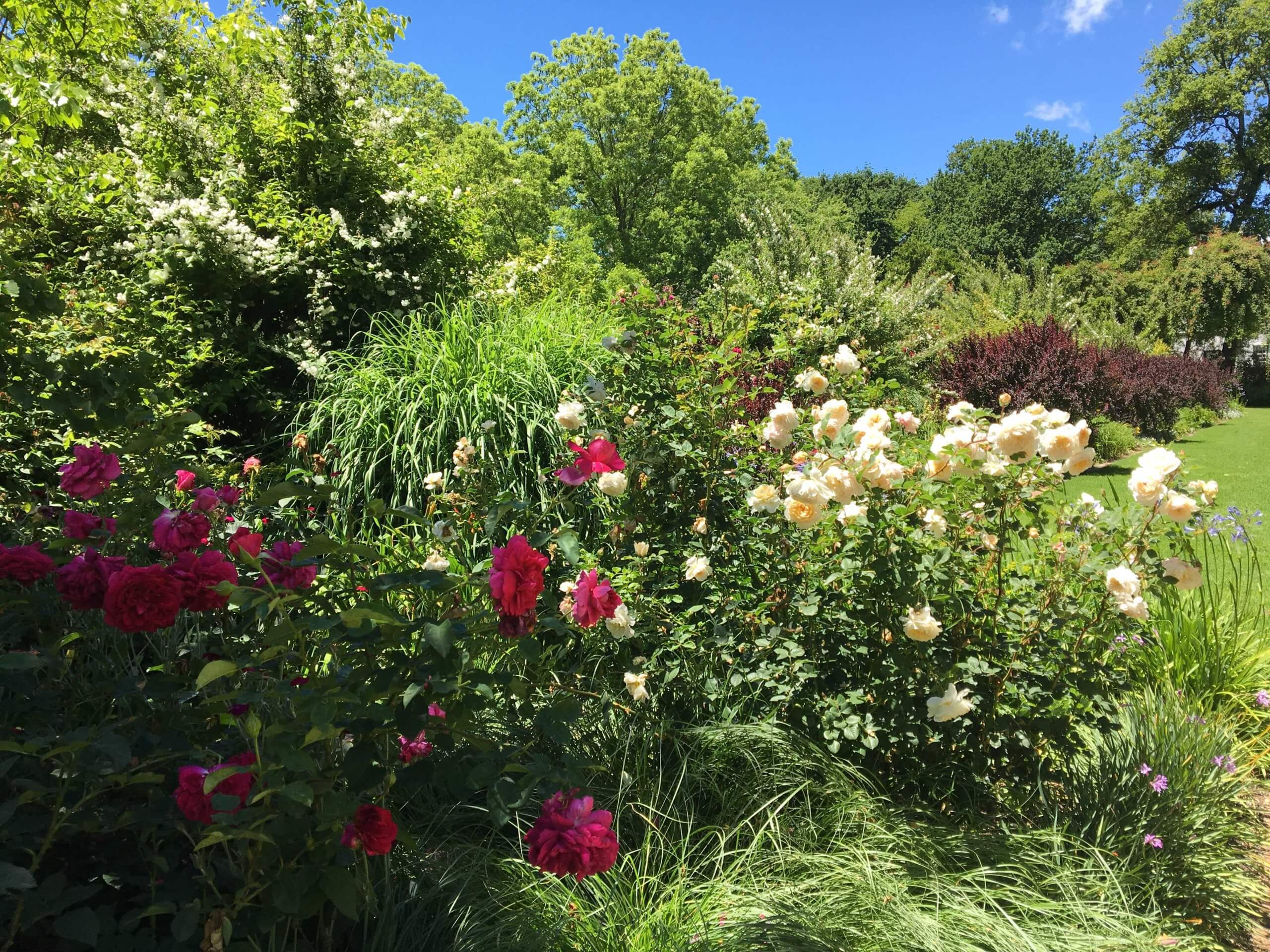
Roses in the Schoongezicht garden. Photo: Rustenberg Wines.
Lourensford: a family-friendly estate outing
Closer to home, Lourensford is already a favourite with families for its Total Ninja course and dam (see our guide to things to do with kids). Its 4,000 hectares beneath the Helderberg also make for a pleasant, green spring wander. It's less of a formal garden than Vergelegen or Rustenberg, but a good option if you want an outing that the whole family, not just the keen gardeners, will enjoy.
Tips for visiting
Entry fees, opening hours and event dates change seasonally and are sometimes bundled with a tasting or guided walk, so confirm directly with each estate before you go, especially around event weekends, when bookings fill up. Morning light tends to be best for photographs, and spring mornings on the Helderberg can still be cool, so bring a layer.
Frequently asked questions
When is the best time to see these gardens in bloom?
Broadly August through November, with October and early November usually the peak for roses and herbaceous borders.
Are these gardens suitable for young children?
Yes, especially Lourensford, which combines open space with family activities on the same estate. Vergelegen also has a children's adventure garden, and both Vergelegen and Rustenberg are easy walking suited to all ages.
Can I combine a garden visit with wine tasting?
Yes. All three estates here also pour wine, so a garden walk followed by a tasting is a natural pairing. See our wine estates guide for more on tasting at each.
Do I need to book ahead?
General garden visits usually don't require booking, but guided walks and special events do, and they can sell out, so book early if your visit lines up with one.